Storytelling in the home with Wendy Shearer
Posted on the 2nd June, 2026
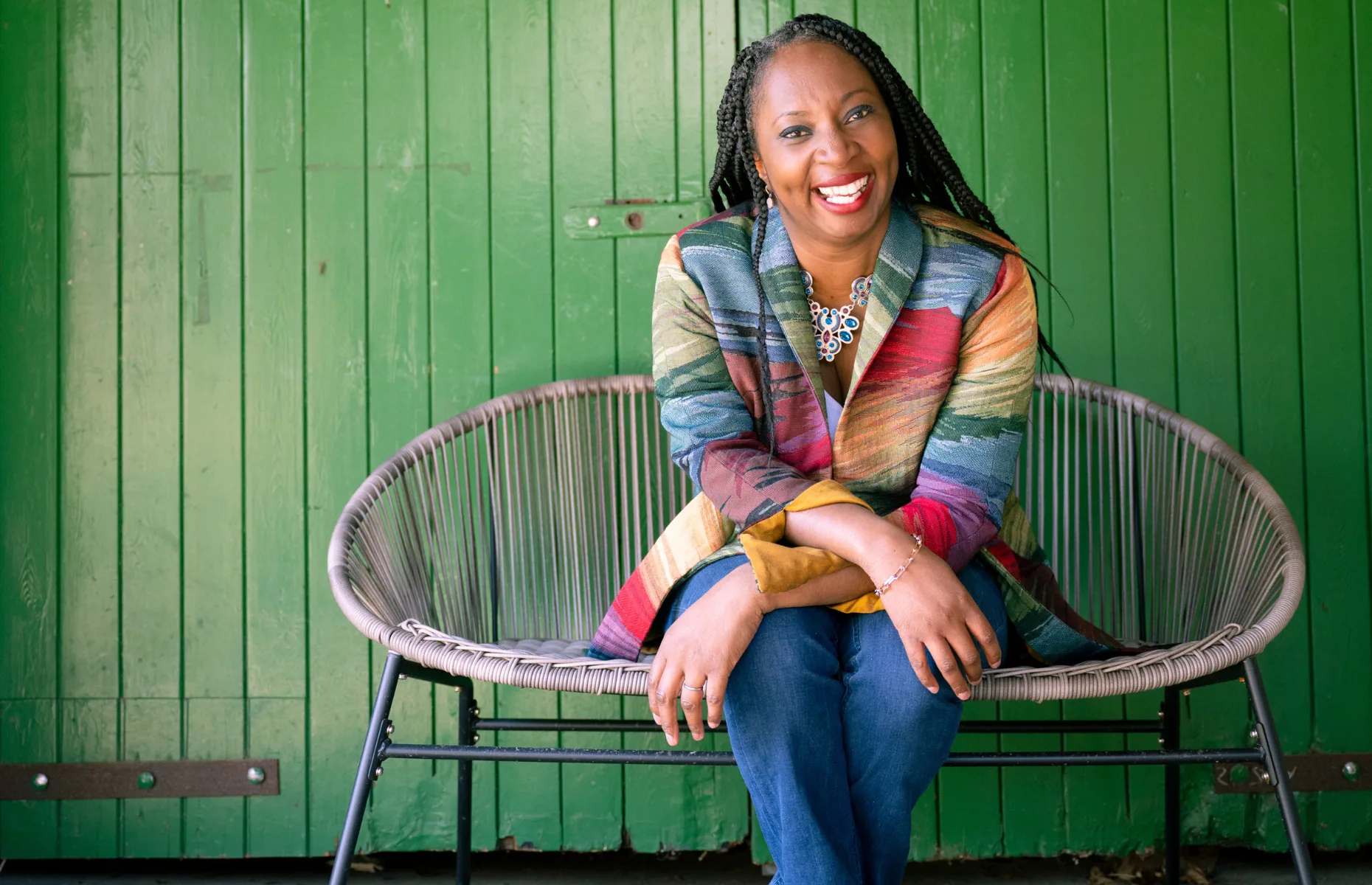
Meet Wendy Shearer – a brilliant storyteller who knows that the very best stories often begin at home, in pyjamas, with a giggle or two. Wendy believes storytelling with children isn’t about getting it right – it’s about having fun, being curious, and letting imaginations run a little bit wild.
In this Q&A, Wendy shares simple, playful ways to turn everyday moments into magical stories. No special skills needed, just a willingness to listen, join in, and see where the story takes you. Perfect for families who want to laugh together, dream together, and discover that everyone has a story to tell.
What’s your secret source for keeping children hooked on a story from the first word to the last?
This question made me laugh because I thought, if I tell you, it won’t be so secret anymore. Essentially, it’s about bringing the story to life with my voice and pace. I change my voice to suit different characters and adjust my pace to indicate different moments in the story, whether something is building up or inviting a reaction from listeners.
It’s almost like my voice becomes a cue. I’ve been told many times that I have a gentle voice that puts people at ease, and even to sleep. I don’t take offence to that. For children, it’s quite a remarkable change when a regular voice suddenly comes to life in a very different way. That’s really my secret source.
How do you pick stories that resonate with different ages but still keep everyone smiling?
I try to select stories with universal themes, things that appeal to all ages, such as kindness, friendship, and joy. I also leave space for everyone to use their imagination within the story, space for wonder and surprise.
No matter how old someone is, they can tap into those emotions and themes in their own way. If I have a multi-generational audience, I usually avoid very scary stories. Younger children often want something with a bit of terror, but I tend to choose stories that are universal and joyous, so everyone can join in and connect through their imagination.
Do you have a favourite trick for involving audiences in a story?
Yes, I use lots of tricks. My real gift is encouraging participation. My favourite techniques are gestures and sound effects. When I create hand movements, facial expressions, or animal sounds, I invite the audience to join in with me.
These are easy things that don’t require preparation. You can just use your whole body. It’s a fantastic way to get everyone to jump into the tale with you. If there’s an element of celebration in the story, I’ll often invite people to join in physically, through a dance, clapping a rhythm, or repeating a chant or rhyme. It’s uplifting and something everyone can take part in.
What do you do when a story starts to wander off course? Can happy accidents become part of the adventure?
I rarely go off course because I get to know a story very well before sharing it. However, unexpected turns do happen, especially with audience participation and particularly with children.
When that happens, I go with it for as long as I can, then gently guide the story back to the path I originally chose. It allows children to feel a sense of ownership and co-creation. I’m always happy to explore other avenues before bringing the story back down to earth. It becomes a beautiful co-creation.
How can grown-ups make ordinary moments, like setting the table, feel like the opening of a fantastic story?
I’d recommend using your voice in a varied way and describing ordinary moments in detail. Don’t skim over them as if they’re unimportant. Talk about colours, shapes, and textures so children can picture them in their mind’s eye. That’s how ordinary moments can be brought to life.
What’s one mistake adults often think they make when telling stories to children, and how can they fix it?
I don’t think adults necessarily make mistakes. I think we’re often too harsh on ourselves and lack confidence. Many adults worry they won’t tell a story in an engaging way.
I encourage adults to trust themselves and take charge of the story. Confidence really comes across. I also advise leaving space within the story. When people feel nervous, they tend to rush and skim over magical moments. Slow down, add pauses, and give children time to imagine, wonder, and ask questions.
How can parents and teachers use the 1001 Stories resource to spark children’s own storytelling ideas?
The resource is fantastic. There are so many ways to explore it. Children could create different endings, change the setting, or rename stories. They might choose a favourite story and make their own version of it.
Whether they enjoy reading, listening, or looking at images, there are lots of entry points. The audio feature is especially valuable, as listening to stories is just as powerful as reading them.
Do you have tips for turning storytelling into an interactive performance at home?
I think it’s lovely to dedicate a small space to storytelling, even just a corner of a room. You could add cushions, soft toys, or a few props. Percussion instruments are great for sound effects, and colourful scarves or fabrics can help bring the space to life.
It doesn’t need to be elaborate. Just making it clear that this space is special and set aside for storytelling can make it feel exciting and playful.
What’s one tip every parent can try tonight to make storytelling more magical?
Start the story with a sound. It could be a bell, a chime, a note, a song, a rhyme, or even a sound made with your voice. That sound signals that story time has begun and sets the tone.
What do you hope children take away from a great storytelling session?
An emotion. I love it when children feel something deeply after a story. I also hope they leave with an image they remember and share with others.
Often, when I ask children about their favourite part, they describe it vividly. You can see they’re still seeing it in their mind. I hope they carry those feelings and images with them when they retell the story.
What’s the wildest, sweetest, or most surprising reaction you’ve seen from a child during a story?
There are so many. One of the most surprising is when children gasp and demand more when the story ends. That reaction always reminds me how present they are.
I once had a child fall fast asleep during a story because she was so relaxed. Another time, during a large session, children suggested very unexpected and imaginative punishments for a character, which completely caught me off guard. You can never quite predict what children will come up with.
How can storytelling help children fall in love with reading for fun?
Storytelling creates space for enjoyment and imagination. It invites participation rather than instruction. Before children can read, they can listen to the structure and rhythm of stories and simply fall in love with how they flow.
What’s the connection between listening to stories and becoming a confident reader later on?
Listening to stories develops vocabulary, communication skills, and confidence. Storytelling is communal and social, and that confidence transfers to independent reading later on. Children also learn what kinds of stories they enjoy by listening and participating.
What’s one small change parents can make to turn everyday reading into something children genuinely look forward to?
Let children choose the story. Giving them that choice helps them feel involved and excited. You could also top and tail reading time with something playful, like a riddle or a joke.
Sharing the reading is important too. Take turns, read different characters, and use voices. It turns reading into a joint experience rather than a task.